Introduction
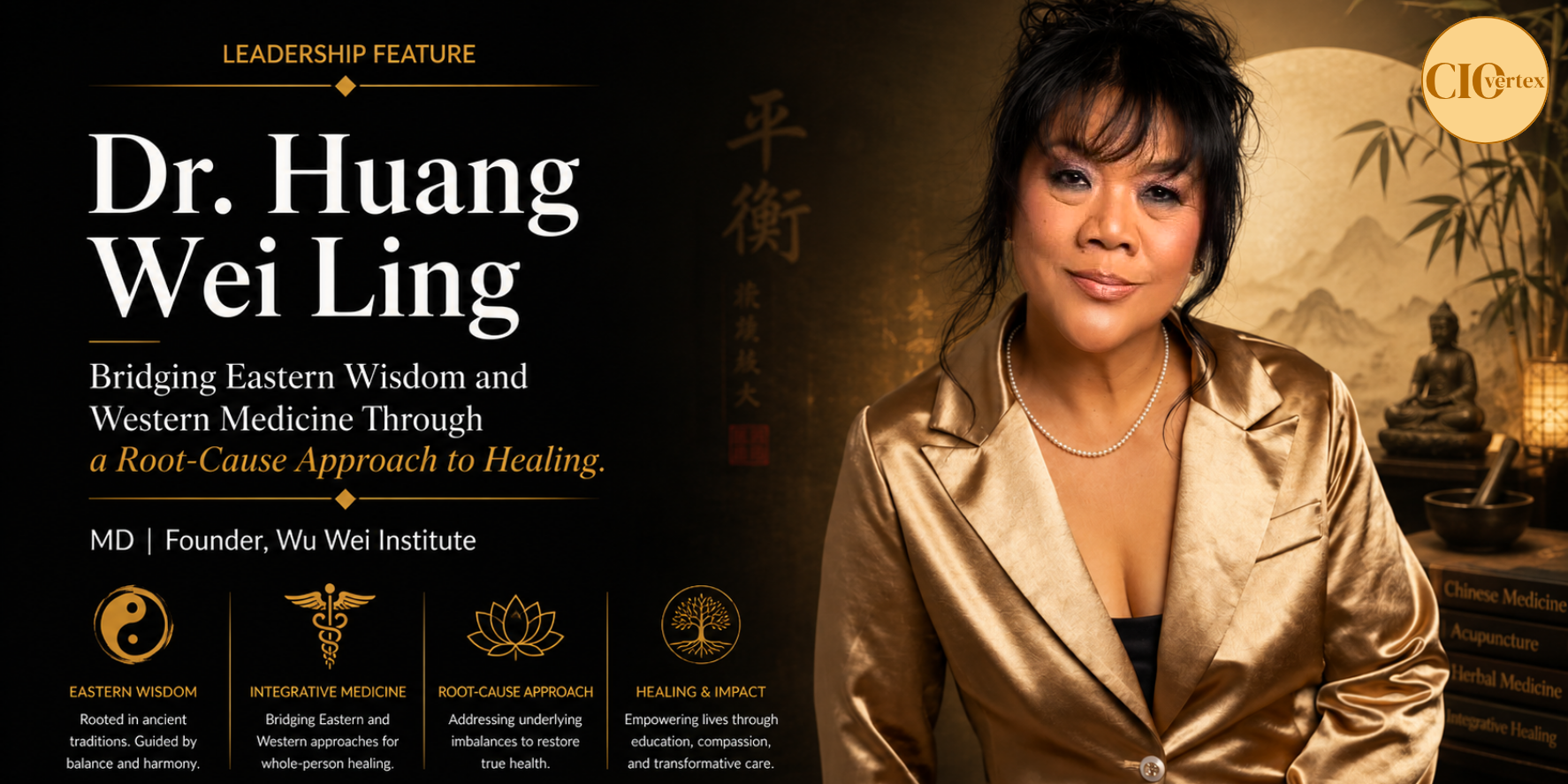
For Dr. Huang Wei Ling, medicine has never been limited to treating symptoms.
Born in Taiwan and raised in Brazil from the age of one and a half, her journey has been shaped by the intersection of Eastern traditions and Western medical education.
After graduating from the State University of Londrina in Brazil, Dr. Huang specialized in infectious and parasitic diseases and established her medical practice in the countryside of São Paulo, where she continues to live and work today. Over more than three decades, her professional journey has expanded across Western medicine, Traditional Chinese Medicine, acupuncture, Chinese herbal medicine, Chinese diet therapy, homeopathy, nutrition, and pain management.
At the center of this journey is a question that has continued to shape her work: Can medicine go beyond treating symptoms and address the deeper imbalances that may contribute to illness?
Through the Wu Wei Institute, Dr. Huang is developing and promoting an integrative approach that seeks to bring together principles from different medical traditions into a unified therapeutic framework.
The Spark: A Mother’s Wisdom and the Search for Deeper Healing
The person who had the greatest influence on Dr. Huang’s medical evolution was her mother.
Although she was not a medical professional, Dr. Huang’s mother encouraged her to explore Traditional Chinese Medicine (TCM), believing that it could become increasingly important to the future of healthcare.
That advice changed the direction of Dr. Huang’s career.
Beginning in 1996, she pursued extensive studies in acupuncture, Chinese herbal medicine, and Chinese diet therapy while continuing to build upon her Western medical background. Her training also included parenteral and enteral nutrition, general medicine, and pain management.
Rather than treating these disciplines as isolated systems, she began searching for common principles that could connect them.
Her interest increasingly centered on what Traditional Chinese Medicine describes as the body’s energetic balance and how that balance may relate to physical health.
Dr. Huang believes that modern life has introduced new environmental and technological influences that deserve greater scientific and medical investigation. She argues that factors associated with contemporary lifestyles including exposure to increasingly complex technological environments, should be studied more deeply in relation to human health.
This perspective led her toward a broader understanding of medicine: one that, in her view, considers both the measurable physical body and less tangible aspects of human physiology and wellbeing.
From Conventional Medicine to an Integrative Philosophy
Dr. Huang is careful to emphasize that she is not opposed to modern medicine.
Her objective is instead to expand the conversation around how illness is understood and treated.
Her experience as an infectious-disease specialist provided her with a strong foundation in conventional medical science. At the same time, her subsequent studies in TCM and other therapeutic traditions encouraged her to question whether focusing exclusively on symptoms always provides the complete picture.
In 2015, she presented her work at an acupuncture research conference at Harvard, discussing her perspective that addressing underlying energetic imbalances could potentially influence multiple health concerns simultaneously.
Over time, this philosophy became the foundation for what she describes as a new model of treatment, one intended to combine selected principles from different medical traditions while adapting them to what she believes are the changing needs of today’s patients.
Her approach emphasizes highly diluted preparations and the treatment of what she considers the underlying energetic terrain rather than focusing exclusively on individual symptoms.
The Patient Who Changed Her Perspective
A pivotal moment in Dr. Huang’s career occurred in 2006 with a 70-year-old patient experiencing persistent leg pain.
After six months of conventional anti-inflammatory treatment without sufficient improvement, Dr. Huang chose to approach the case through acupuncture and dietary changes based on the patient’s perceived energetic imbalances.
Following approximately ten acupuncture sessions, the patient reported that his leg pain had improved. He also revealed that he had been living with glaucoma for more than four decades.
According to Dr. Huang, his intraocular pressure, which had historically remained above 40 mmHg, had fallen to approximately 17 mmHg.
The unexpected outcome profoundly influenced her thinking.
Rather than viewing the result simply as an isolated clinical event, Dr. Huang saw it as an invitation to investigate whether treating broader systemic patterns could influence conditions beyond the symptoms originally presented by a patient.
The experience became an important turning point in her decision to share her ideas internationally.
Since then, she reports having participated in more than 500 international conferences and traveled to nearly 50 countries, presenting her perspective on integrative approaches to medicine.
Developing a New Theory of Treatment
In 2015, while beginning postgraduate studies in homeopathy, Dr. Huang developed a thesis that sought to connect homeopathic principles with the root-cause reasoning of Traditional Chinese Medicine.
Her broader theory attempts to draw from multiple medical traditions, including Western medicine, Traditional Chinese Medicine, Ayurveda, and homeopathy.
Rather than placing the approach entirely within one established therapeutic category, she describes it as a distinct framework designed around the concept of addressing underlying energetic imbalances.
According to Dr. Huang, the body can be understood as an interconnected system in which different organs and energy pathways influence one another. She uses the analogy of an interconnected network to explain how changes in one part of the system may potentially affect other areas.
Her objective is to develop a treatment philosophy that combines different schools of thought while selecting what she considers appropriate approaches for contemporary patients.
At the same time, she recognizes that such ideas require further scientific investigation.
For broader acceptance within the scientific community, she believes that additional research and published studies are necessary to explain the mechanisms underlying the therapies she advocates.
Beyond Symptoms: Exploring the Underlying Terrain
Dr. Huang’s experience with infectious diseases also influenced her approach to treatment.
After specializing in infectious diseases, she began exploring whether certain common infections could be addressed by changing what she calls the “terrain” in which the infection develops.
Her work led her to investigate therapeutic approaches for conditions such as sinusitis and skin infections, particularly in outpatient settings where there was no immediate life-threatening risk.
She emphasizes that in serious infections where conventional treatment is essential, including potentially life-threatening conditions such as meningitis or septicemia, appropriate antibiotic treatment should be maintained.
This distinction reflects an important element of her philosophy: integrative medicine should not necessarily mean rejecting conventional medicine, but rather exploring additional perspectives when clinically appropriate.
Over the years, she says that numerous patient experiences have reinforced her belief that the underlying condition of the body deserves greater attention.
Some of these cases involved patients who reported improvements in conditions beyond the original reason they sought treatment. Dr. Huang regards such experiences as motivation for continued investigation into how different therapeutic approaches may interact with the body’s broader physiological and energetic environment.
A Career Defined by Persistence
Dr. Huang’s determination did not begin with medicine.
As a child, she learned to play tennis at the age of eight and competed extensively between the ages of twelve and fourteen in state championships in Campinas.
Competition taught her an enduring lesson: never give up while there is still an opportunity to change the outcome.
That mindset later accompanied her into medical school.
Admission to medical school in Brazil was highly competitive, particularly during the period when she applied. Despite also working to help support her family, she succeeded in gaining admission to the State University of Londrina.
For Dr. Huang, that achievement became an early confirmation that persistence could turn difficult ambitions into reality.
Throughout her career, she encountered professional obstacles and periods in which others attempted to discourage her progress. Yet she describes faith, optimism, and determination as important sources of resilience.
Even when circumstances pushed her close to what she describes as her lowest point, she focused on rebuilding herself and continuing forward.
For her, every obstacle becomes another opportunity to prove that perseverance can overcome adversity.
Defining Achievement: Identifying a Global Health Concern
After more than three decades as a physician, Dr. Huang considers one of her most significant professional achievements to be the development of what she calls the concept of a “new global immunodeficiency.”
She says her observations began approximately twelve years ago, when she noticed what she describes as recurring energetic alterations involving the five solid internal organs referenced in Traditional Chinese Medicine.
According to her observations, this pattern appeared in approximately 90% of the patients she treated between 2015 and 2020.
Dr. Huang believes these observations may point toward a broader change in how contemporary patients respond to certain therapeutic interventions.
Her theory seeks to explain this phenomenon by combining concepts from Western medicine, Traditional Chinese Medicine, Ayurveda, and homeopathy.
She acknowledges that for her theory to gain wider recognition, substantial scientific research will be required.
That, however, has not diminished her determination to continue studying, documenting, and communicating her ideas.
Creating the Wu Wei Institute
The next chapter of Dr. Huang’s journey is focused on building a community around her approach.
She envisions the Wu Wei Institute as a platform through which physicians and other professionals interested in her treatment philosophy can exchange knowledge, study her developing framework, and explore its potential applications.
The name itself carries personal significance.
According to Dr. Huang, “Wu” represents the number five in Chinese, reflecting the five solid internal organs central to her theoretical framework, while “Wei” refers to her own name and represents the creator of the theory.
Her ambition is to eventually establish a dedicated professional society for practitioners who understand and wish to further investigate this approach.
In doing so, she hopes to create more than an institution, it is intended to become a community of professionals united by curiosity, research, and a shared interest in exploring new perspectives on health.
The Road Ahead
Dr. Huang’s career has been defined by an unusual willingness to cross boundaries.
Her education began within Western medicine, but her curiosity led her toward Traditional Chinese Medicine, acupuncture, nutrition, homeopathy, and other complementary approaches.
Rather than viewing these disciplines as competitors, she has spent decades attempting to identify connections among them.
Her work also reflects a broader belief that medicine must continue to evolve alongside society.
As lifestyles change, new technologies emerge, and patients encounter increasingly complex health challenges, Dr. Huang believes healthcare professionals should remain open to investigating questions that fall outside conventional frameworks.
At the same time, she recognizes that new medical theories must ultimately be tested, studied, and subjected to rigorous scientific evaluation.
For Dr. Huang, that combination of curiosity and investigation represents the path forward.
A Message for the Future of Medicine
Dr. Huang’s story is ultimately one of persistence, curiosity, and an enduring search for deeper answers.
From Taiwan to Brazil, from Western medical education to Traditional Chinese Medicine, and from infectious-disease specialization to the development of the Wu Wei framework, her career has followed a path defined by continuous exploration.
Her central message is simple: do not stop asking questions.
Medicine advances when professionals are willing to investigate, challenge assumptions, learn from different perspectives, and pursue evidence for ideas that may initially fall outside established thinking.
Through the Wu Wei Institute, Dr. Huang Wei Ling continues that pursuit working to develop an integrative vision of medicine that, in her view, looks beyond symptoms and explores the deeper systems underlying human health.
After more than thirty-four years in medicine, her journey is far from complete. The next chapter is not simply about defending a theory; it is about continuing to study it, refine it, and seek the scientific understanding needed to determine its place in the future of healthcare.
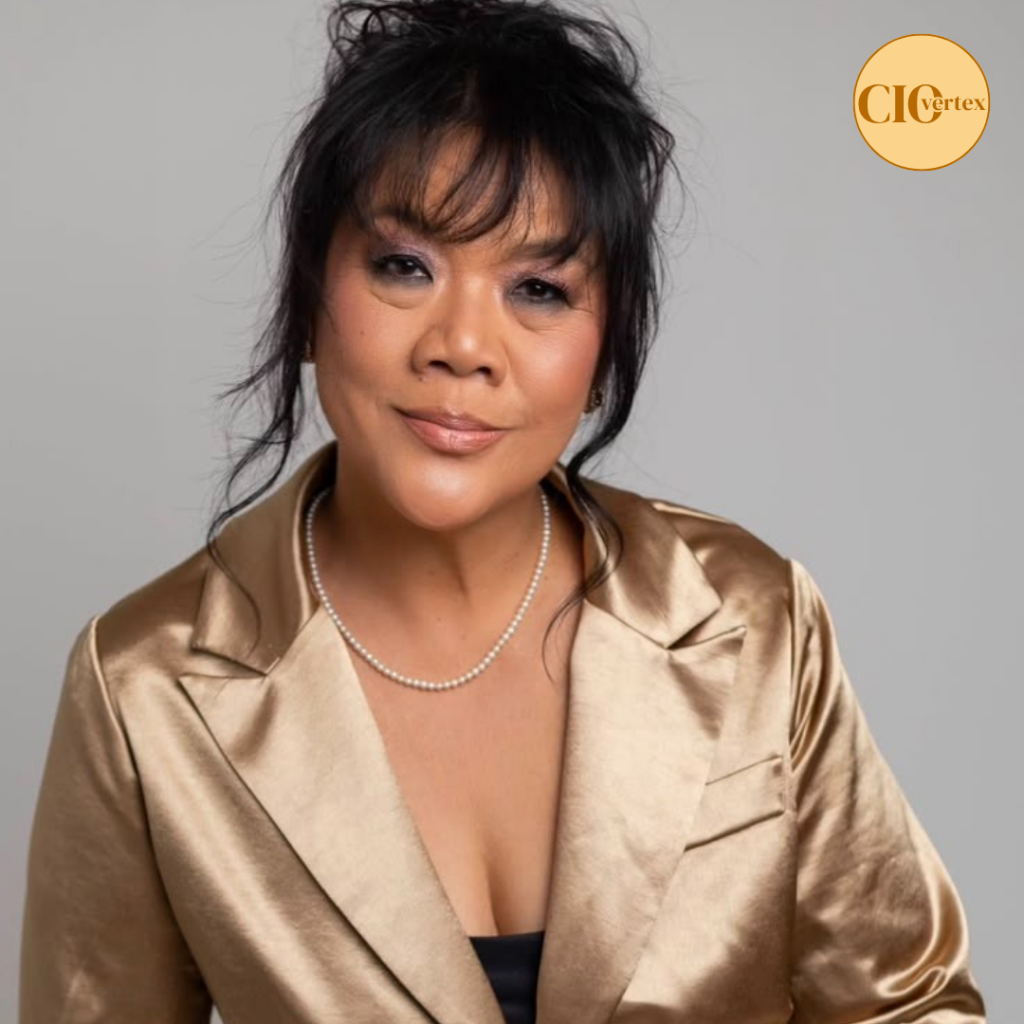
ABOUT DR. HUANG WEI LING
Dr. Huang Wei Ling, MD is an integrative medicine practitioner with over three decades of experience in Western medicine and Traditional Chinese Medicine. Her work focuses on connecting different medical approaches and exploring deeper, root-cause perspectives on health and healing.