
Introduction
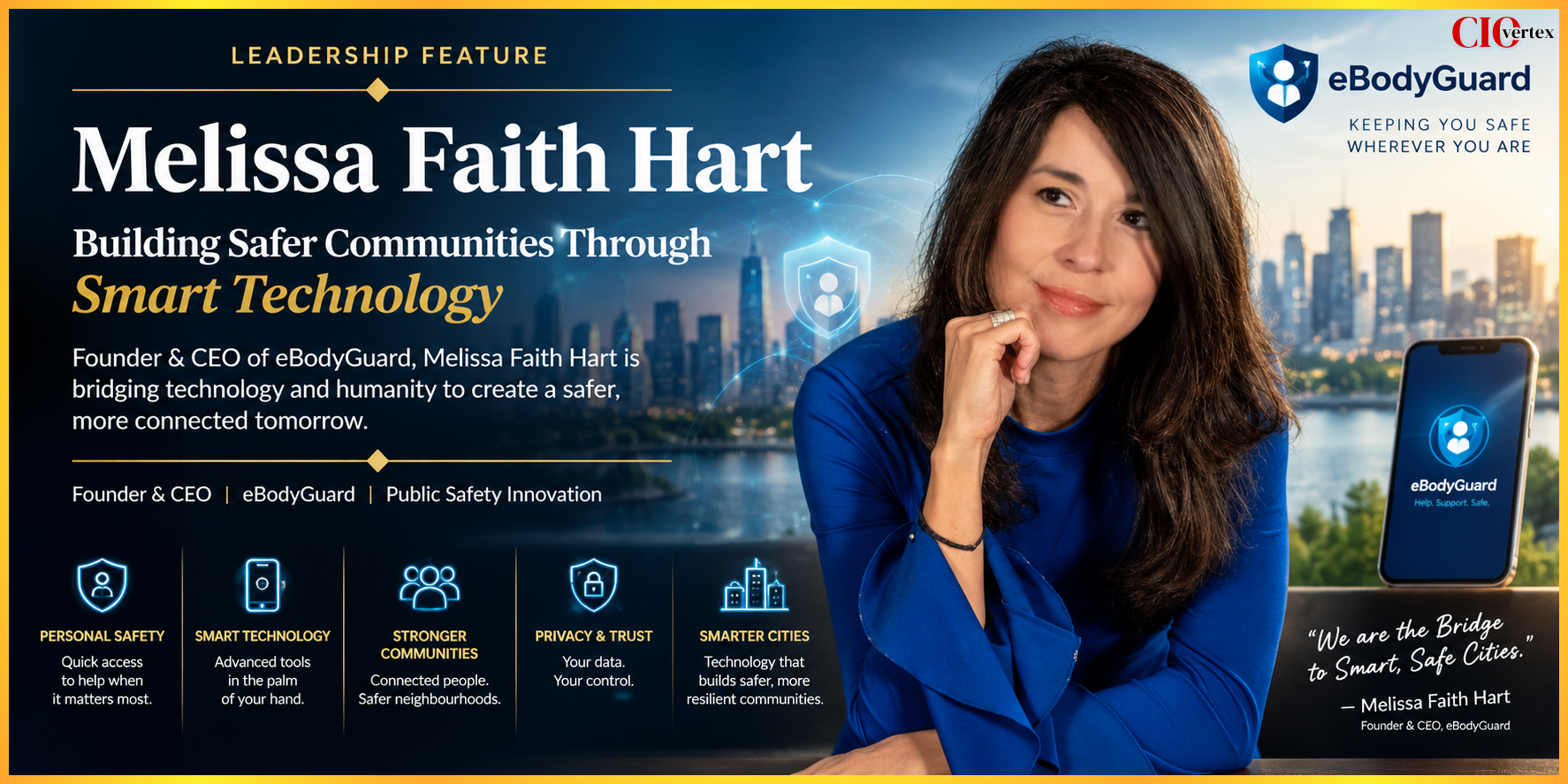
In a world where safety has become one of the most essential needs of individuals and communities, technology is playing a transformative role in redefining how we protect ourselves and those around us. At the heart of this mission is eBodyGuard, a platform built on the belief that everyone deserves to feel safe, supported, and connected wherever life takes them.
Guided by the vision and leadership of Melissa Faith Hart, the eBodyGuard team continues to advance a future where innovation meets human needs. Through collaboration, technology, and a strong commitment to community well-being, the team is working toward creating smarter and safer environments where individuals, organizations, and public safety agencies can come together.
When asked what “keeping you safe wherever you are” means to them, the eBodyGuard team shared perspectives shaped by personal experiences, professional expertise, and a shared commitment to protecting lives. Their responses reflect a common belief that safety is not just about responding to emergencies, but about providing confidence, independence, and peace of mind every day. From ensuring immediate access to assistance through advanced technology to connecting communities with smarter safety solutions, eBodyGuard represents a bridge between people and the future of public safety.
For the eBodyGuard team, “We are the Bridge to Smart, Safe Cities” is more than a statement, it is a commitment to building connected communities where technology empowers people, strengthens emergency response, and creates a safer world for everyone.
The First Five Minutes: A Founder’s Perspective
Melissa Faith Hart, Founder & CEO, eBodyGuard
Every city on earth, no matter its language, its laws, or its geography, shares the same five minutes. It’s the window between the moment something happens and the moment help arrives — and until now, it has been the least protected, least understood, and least equipped moment in all of public safety.
That gap isn’t a policy failure or a technology failure in the way most people assume. It’s an infrastructure failure. We built 911. We built body cameras. We built records-management systems for police departments. What we never built was anything for the person living through the first five minutes themselves — no verified account of what happened, no evidence that survives the moment it’s created, no bridge between an individual in crisis and the systems meant to help them. That infrastructure simply didn’t exist. Not in Castle Rock, not in São Paulo, not in Mexico City, not anywhere.
eBodyGuard exists to close that gap — and to close it at the most fundamental level possible: the mobile device already in every person’s hand, in every city, in every country. Not a new piece of hardware. Not a new system agencies have to build. The infrastructure the First Five Minutes always needed, built into the phone people already carry.
Doing that responsibly meant solving privacy, data protection, and cybersecurity before we solved anything else. An individual has to be able to trust that activating help doesn’t mean surrendering control — that the evidence they choose to create stays theirs, protected by the same rigor we’d expect of any federal evidence system, and governed by their own constitutional rights rather than handed over by default. That’s not a feature we added later. It’s the foundation everything else had to be built on top of it.
I think of it the way you’d think of building a house. You don’t start with the rooms you eventually want to add — the guest suite, the office, the extra bath. You start with the foundation, because everything else depends on it holding. For eBodyGuard, that foundation is the same everywhere: verified evidence, captured at the moment of risk, protected by privacy and security architecture strong enough to earn trust in any jurisdiction, in any city, under any legal system.
Only once that foundation was real — tested, proven, live and working with agencies like Castle Rock PD — could we begin building the rooms on top of it. And there are many rooms still to build: use cases across industries, populations, and communities that all depend on the same core capability we spent years getting right first. That sequencing wasn’t caution for caution’s sake. It was the only way to make sure that when we did expand, we’d be expanding on something solid enough to hold the weight.
That’s what “keeping you safe wherever you are” actually means to me. Not a slogan, and not a single feature — a foundation, built once, built rigorously, and built to hold up in any city in the world that needs it.
Trust, in Both Directions
Talk to enough people about personal safety technology, and you’ll hear the same fear stated two different ways, from two different sides of the same relationship.
Ask an individual what worries them about law enforcement having more access to their data, and they won’t tell you they’re against law and order. Almost everyone wants law and order — wants police to show up, wants a case to be solved, wants a community that feels protected. What they’re actually afraid of is what happens after: data collected in a moment of crisis being used punitively, held indefinitely, or turned against them in ways that have nothing to do with why it was captured in the first place. That fear isn’t paranoia — it’s a reasonable response to technology that too often asks for everything and explains nothing.
Ask a police officer or a 911 dispatcher the same question from their side, and you’ll hear a mirror image of that fear. Law enforcement has become genuinely afraid of how the public perceives them — how a single piece of context-free footage can define an encounter, how quickly trust can be lost even when they did everything right. Both sides are afraid of the same thing, from opposite ends: being misunderstood, and being unable to control a narrative built from data they didn’t create and can’t fully see.
That mutual fear is the real reason trust between individuals and law enforcement keeps eroding, no matter how much technology gets thrown at the problem. Trust cannot be built on top of two parties who are each afraid of what the other will do with more access.
The First Five Minutes was built to interrupt that cycle, not add to it. eBodyGuard doesn’t give law enforcement a blanket window into an individual’s life, and it doesn’t leave officers guessing either. It gives law enforcement access to exactly the data that matters, when it matters, and nothing more — evidence the individual chose to create, in the moment they chose to create it, governed by the same First and Fourth Amendment protections that would apply if a person recorded it themselves and handed it over on their own terms. Nothing broader. Nothing retroactive. Nothing that requires an individual to surrender control in order to get help.
That’s what “keeping you safe wherever you are” actually has to mean if it’s going to hold up under real trust, on both sides of the badge: law and order when it’s needed, met with privacy that’s protected, not promised.
Field Ready
The First Five Minutes is a major strategic pivot on how law enforcement responds to and investigates crimes. The eBodyGuard program is live and working today inside the Castle Rock Police Department in Colorado, where the app, the private evidence portal, and the First Responder Portal are in use and ready for deployment — a system ready to help officers and citizens.
That deployment sits on top of a compliance architecture built for exactly the scrutiny a CIO audience would expect to ask about: eBodyGuard is built as a CJIS-compliant platform, with evidence flowing into an authenticated, blockchain-anchored chain of custody designed to hold up from the moment of capture through court presentation. Trademarks, slogans, and logos are filed and registered in ten nations, and the company holds Trusted Supplier status with the U.S. Department of Commerce’s International Trade Administration — recognition conferred by outside institutions, not self-declared.
That same foundation is what has allowed eBodyGuard to begin expanding beyond U.S. borders, with an owned and operating subsidiary in Brazil and a second subsidiary in Mexico moving through formation — proof that the infrastructure built for Castle Rock, Colorado is built to travel.
Voices Behind the Mission: Team Perspectives on Safety and Innovation
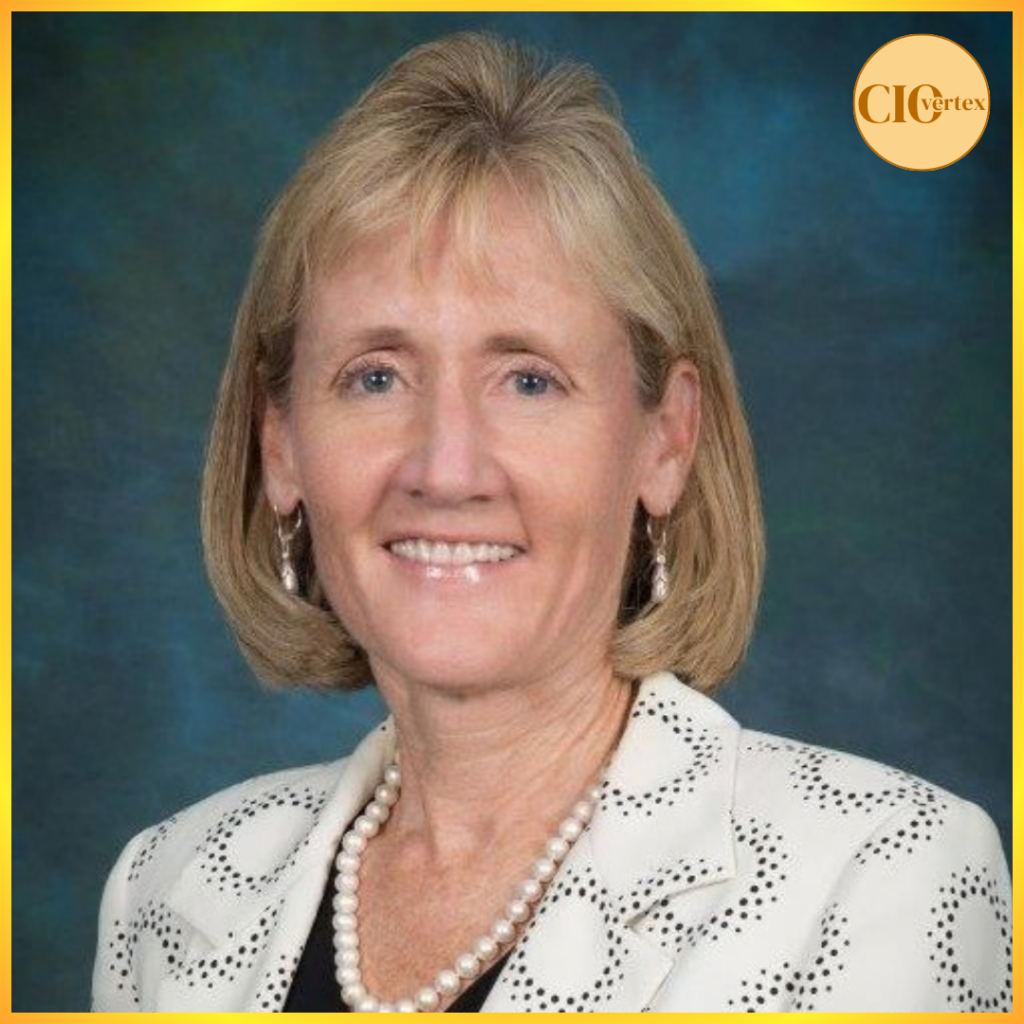
Dr. Leigh Wall
Chief of Education and Support
Question 1: What does “keeping you safe wherever you are” mean to you?
Throughout everyday life, we all experience moments where safety and support become essential, whether through medical emergencies, accidents, natural events, travel, work, or unexpected situations. Safety is a fundamental need that impacts every individual and community.
The eBodyGuard platform provides the tools, confidence, and security needed to take greater control of personal and community safety while maintaining the privacy and protection required for critical evidence when needed.
Question 2: What does “We are the Bridge to Smart, Safe Cities” mean to you?
The future of communities depends on integrating safety into every aspect of life. Strong societies and economies can only thrive when people feel protected. eBodyGuard bridges innovative safety technology with individuals, organizations, and public agencies to create stronger connections between humanity and technology. By doing so, it helps ensure that safety becomes an essential part of every community, city, and nation.
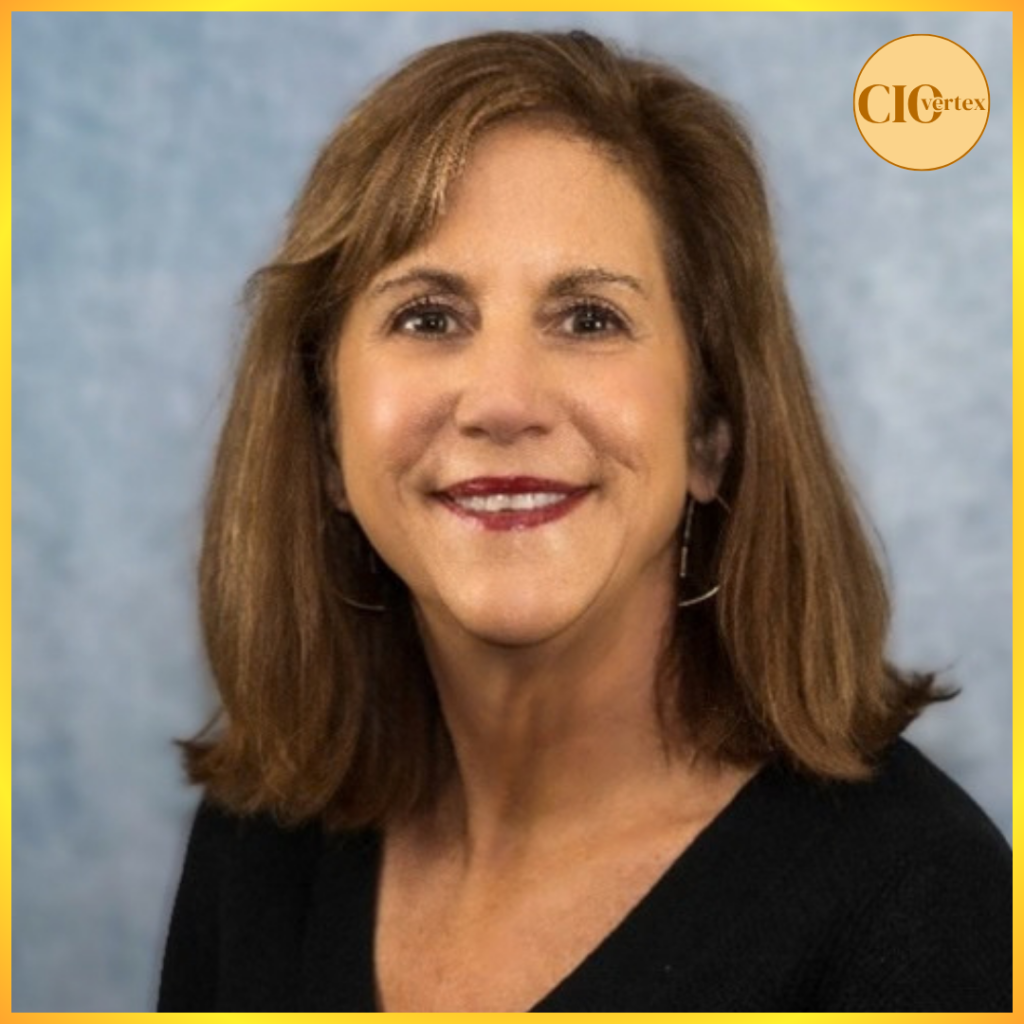
Bonnie Locke
Justice and Public Safety Counsel
Question 1: What does “keeping you safe wherever you are” mean to you?
Safety is a fundamental human right, it should not depend on a location, environment, or circumstance. True safety means having the confidence that protection is available wherever you are, supported by reliability and continuous coverage. It is both something we experience emotionally and something that can be strengthened through real solutions. eBodyGuard provides that balance by delivering both the feeling of safety and the technology needed to support it.
Question 2: What does “We are the Bridge to Smart, Safe Cities” mean to you?
eBodyGuard serves as the connector between people, technology, public safety organizations, governments, and communities. Through advanced technology, data, and automation, we help improve emergency preparedness, security, and overall city operations. Our mission is to support the development of smarter and safer cities where people can confidently live, work, and travel knowing that safety solutions are available when they need them most.

Dan Shimski
Director of Survivor Support
Question 1: What does “keeping you safe wherever you are” mean to you?
For me, it means knowing that help is always within reach whether I am in a busy city environment or exploring remote areas. When my personal health or safety is at risk, eBodyGuard provides reassurance that assistance is only a voice command or screen tap away. It also means trusting that my safety includes the protection of my personal data and privacy.
Question 2: What does “We are the Bridge to Smart, Safe Cities” mean to you?
Many traditional public safety systems were designed for challenges of the past, but today’s world requires smarter solutions. eBodyGuard creates a bridge between modern technology and community safety, enhancing the ability of first responders and safety professionals to better support people during critical situations. It represents the future of connected, responsive, and technology-driven safety.

Josy Cardoso
Brazil Operations Director
Question 1: What does “keeping you safe wherever you are” mean to you?
To me, this message means removing barriers between people and the protection they need. eBodyGuard provides reliable safety solutions that are designed to support individuals anytime and anywhere. It creates confidence and peace of mind by ensuring that dependable protection is always accessible when it matters most.
Question 2: What does “We are the Bridge to Smart, Safe Cities” mean to you?
This represents the connection between innovative technology and community well-being. Smart cities are not only about efficiency and connectivity, they are about creating environments where people feel protected. eBodyGuard helps transform this vision into reality by integrating technology that improves safety and strengthens communities

Gessica Mendes
Brazil Sales Director
Question 1: What does “keeping you safe wherever you are” mean to you?
“Keeping you safe wherever you are” reflects eBodyGuard’s role as a personal safety companion, providing protection, confidence, and peace of mind regardless of location or circumstance. Through advanced technology, intelligent monitoring, and secure information systems, eBodyGuard helps individuals, families, and organizations live, work, and travel more safely.
It represents the assurance that people do not have to face uncertain situations alone. Behind the technology is a support network designed to respond when needed, promoting safety, well-being, and confidence while maintaining strong privacy and data protection standards.
Question 2: What does “We are the Bridge to Smart, Safe Cities” mean to you?
Being the bridge to smart and safe cities means connecting technology with real human needs. eBodyGuard brings together people, organizations, businesses, and public institutions with a shared mission of creating safer, more prepared, and more connected communities.
Through innovation, secure evidence management, emergency response capabilities, and intelligent safety solutions, eBodyGuard transforms technology into practical tools that protect lives and strengthen communities before, during, and after critical events.

Catherine Morgan
Fractional Strategic Relations Director
Question 1: What does “keeping you safe wherever you are” mean to you?
As a single mother, safety is deeply personal to me. eBodyGuard provides an added layer of confidence and peace of mind in everyday life, whether I am close to home or traveling. Knowing that immediate assistance is available whenever needed creates reassurance and allows me to focus on living life with greater confidence.
Question 2: What does “We are the Bridge to Smart, Safe Cities” mean to you?
eBodyGuard represents the connection between individuals, communities, law enforcement, and government agencies working toward one common goal: protecting lives. By integrating advanced safety technology, community protection, and CJIS compliant evidence capture, eBodyGuard provides a blueprint for creating safer communities in the 21st century, both nationally and globally.

Brennan Hart
Survivor Support Specialist
Question 1: What does “keeping you safe wherever you are” mean to you?
To me, “keeping you safe wherever you are” represents a promise, a commitment to serve as a shield that protects personal safety, independence, and well-being regardless of circumstances. It reflects the responsibility to ensure that individuals have the confidence and support they need wherever life takes them.
Question 2: What does “We are the Bridge to Smart, Safe Cities” mean to you?
Being the bridge to smart, safe cities means creating meaningful connections between people, service providers, and communities. It represents a commitment to supporting those who are most vulnerable by bringing together technology, resources, and human collaboration to create safer environments for everyone.

ABOUT MELISSA FAITH HART
Melissa Faith Hart is the Founder & CEO of eBodyGuard, dedicated to bridging technology and humanity to create safer, smarter communities. Her work focuses on personal safety, privacy, secure evidence, and innovative public safety solutions that empower individuals and strengthen communities.